
Electrifying the Future
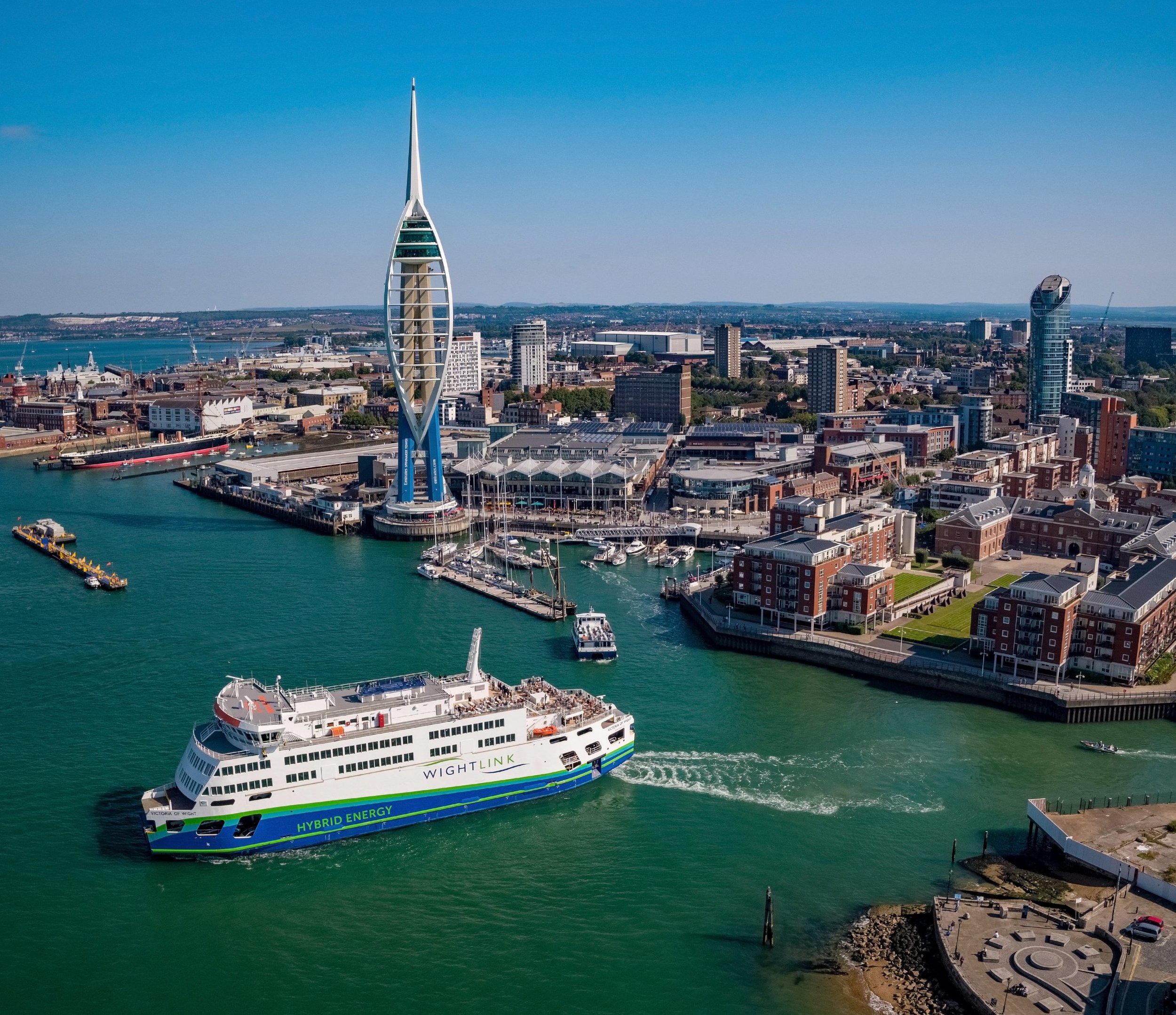
How Batteries will super-charge the energy transition within the marine market
Owners and Operators are looking for new alternative fuels and technologies for greener shipping and to improve vessel efficiency whilst reducing their operating costs. Several drivers are at work:
Imminent IMO requirements for reducing global fleet emissions by 2030,
Introduction of the EU’s Emission Trading Scheme (ETS) for carbon taxes
The rising cost of traditional bunkers
Battery hybrid systems are now seen as proven technology offering a cost-effective, near-term solution for many vessel types, from new build and through retrofitting. These systems have an important role in the energy transition and the decarbonisation of the world fleet, particularly in the offshore, short sea and inland shipping sectors where the biggest benefits can be realised. Battery hybrid systems are seen as a steppingstone to fully electric shipping, now becoming a reality in some short sea markets.
Energy storage systems
Numerous Battery hybrid / Energy Storage Systems (ESS) exist on the market, from containerised systems to fully integrated. Each is specifically designed for the intended vessel and operational profile. An ESS can be used to replace and/or supplement existing diesel engines onboard a vessel. The ESS can supply instantaneous power to the vessel’s grid, peak shaving engine loads and allowing for the remaining diesel engines to run at their optimal load,. The result is better fuel efficiency, reduced emissions (NOx, SO2 & CO2) and smoother load variations for improved operations. These systems can also be used to deliver short-term emergency power back up in the event of an engine failure. Larger systems allow for longer periods of emission free sailing. Battery hybrid systems typically result in 15% to 20% fuel savings1 with resultant emission reductions. They have the added benefits of reduced running hours and subsequent maintenance costs for the remaining diesel engines. Overall hybridisation delivers a safer and more responsive vessel.
Hybrid Market
Adoption of battery hybrid technology within the marine sector has seen rapid grown in recent years. This has been driven by several factors, most notably the increase in fuel prices and more stringent requirements for reduced emissions set by IMO. Its guidelines target decarbonisation and reduction in Green House Gases (GHG) of 40% by 2030 and 50% by 2050. Domestic policies are also driving this change, with Norway setting its emission limits at 50% by 2030 whilst also placing a ban on the use of Diesel fuel from 2026 within its UNESCO Fjords. In Asia, Japan is targets for Net-Zero greenhouse gas emissions by 2050 within the shipping industry. Indirectly shipowners are being influenced to switch to more efficient operations, with major financial institutions making it clear that there is a benefit in being able to demonstrate future environmental performance when looking for newbuild vessel financing and chartering. Many operators are now seeing the benefits of cleaner vessel operations whilst being able to market their ‘green’ credentials.
Considerable developments have been achieved in lithium-Ion battery technologies over the last ten years, and when combined with the substantial fall in the unit price of batteries (60%-70% in the last four years)1, this technology has become of increased commercial viability within shipping. This downward trend in battery price is likely to continue, with predictions of up to 50% price reductions when compared to current market levels by 20301. Battery hybrid systems have a relatively low cost of investment and minimal footprint when compared to other solutions with comparative emission reductions such as an LNG fuel system, which require integration of complex double walled pipework and large cryogenic storage tanks.
The uptake of hybrid technology can be seen across almost all the maritime sectors to some degree, with the largest adopters to date being in the ‘offshore & renewables’ segment. The operation of high powered dynamically positioned (DP) vessels requiring increased levels of redundancy can benefit from significant fuel savings in this market. In addition, higher levels of investment have been available in this sector and many energy firms have been pledging to reduce emissions within their value chain.